
Black & Grey Tattoo — Ideas & Designs

Black and grey tattoo style uses varying dilutions of black ink to create a full grayscale spectrum, from deep shadows to soft highlights. Originating in Chicano and prison tattoo culture, black and grey tattoos have evolved into one of the most refined and versatile approaches in modern tattooing. This style excels at photorealistic portraits, religious imagery, and atmospheric scenes, with black and grey shading producing a timeless, sophisticated look.
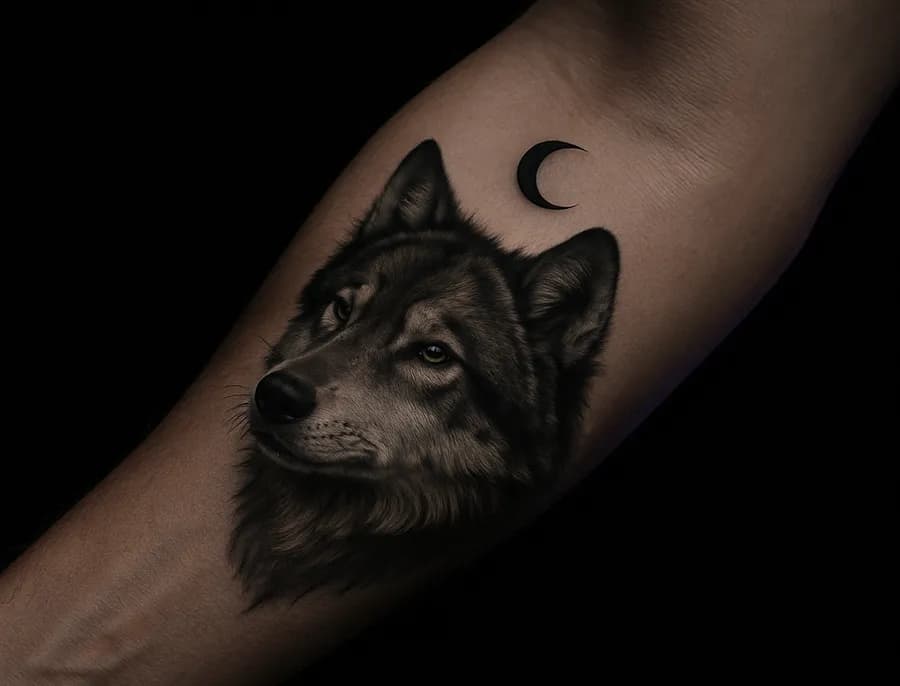
Grayscale shadingPhotorealistic potentialTimeless eleganceSmooth gradients

Draw your own sketch

Free

No sign-up · 30–60 seconds

1Describe the idea

Try:

Black & Grey Tattoo — Design Gallery

Tattoo design black & grey

Related Styles

FAQ about Black & Grey style

What is a black and grey tattoo style?
Black and grey is a tattoo style that uses only black ink diluted to various shades of grey to create depth, dimension, and realistic shading. It originated in the 1970s–80s Chicano tattoo culture and is now widely used for portraits, religious imagery, nature scenes, and more.
Does a black and grey tattoo age well?
Black and grey tattoos age very well. Black ink is the most stable tattoo pigment, and the grayscale shading tends to soften gracefully over time rather than losing its appearance. Well-executed pieces remain beautiful for decades.
What body placement works best for black and grey tattoos?
Black and grey work is versatile and suits nearly any body area. Popular placements include full sleeves, forearms, chest, back, and thighs. For portraits and detailed pieces, larger flat areas provide the space needed for smooth gradients and fine detail.